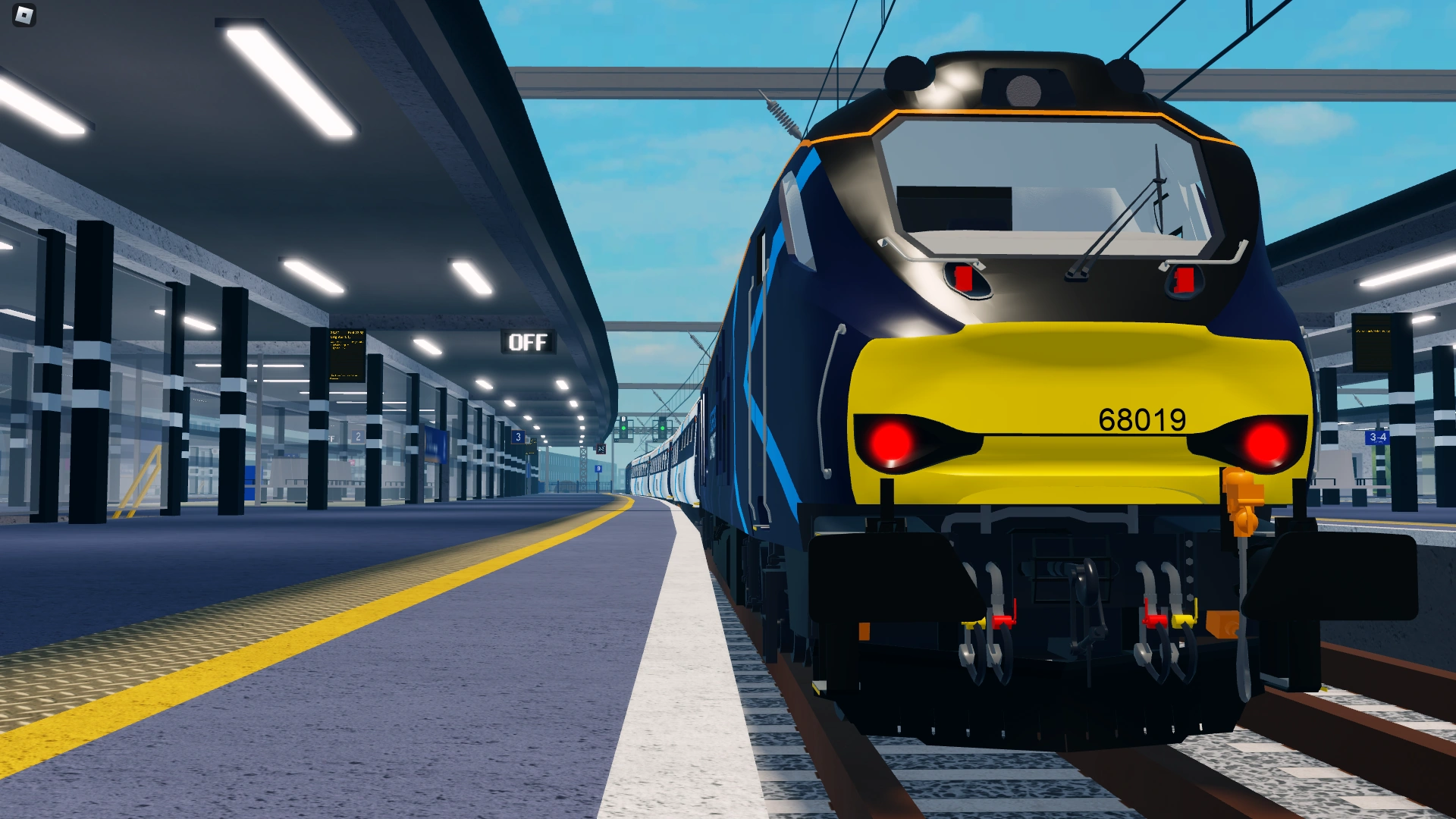
Sneak peek of a meshed Class 68.
Next Generation or Next Gen, also known as Current Generation since V1.5, are trains which include modelled cabs, interiors, and working doors. They replaced Previous Generation trains, which were characterised by their paper exterior and lack of interior. Over time, three different techniques were used, with all trains being in the third, and latest, version of Next Generation trains, referred to as NGv3, since Version 2.0.
The latest fleet upgrade programme aimed to give all trains more detailed models while improving performance, enabled by the use of meshes.
History[]
2019
- 7 May
- The Next Generation fleet upgrade programme officially began, with a video titled "The Future of Stepford County Railway" showcasing a Class 158 with a modelled interior, functioning animated doors and, at the time, static Passenger Information Screens (PIS). In contrast to the previous 'paper trains', these trains also had interlock lights and collidable side walls.
- 14 May - Version 1.3
- After testing by BanTech Systems Beta Testers in-game starting in Version 1.2.8, the Class 158 was released to the public, alongside the Class 508 for Waterline.
- 24 May - Version 1.3.1
- The first upgrade to an already existing train was released with the Class 185 for AirLink. Before the Next Generation changes, the livery for AirLink trains looked similar to the Connect livery with a yellow line, however following these changes they received an orange livery, inspired by Gatwick Express.
2020
- 2 March
- Former Product Developer Mattyx2013 unveiled the rebuilt Class 707, built as a CSG model, ending the first, and starting the second generation of Next Generation trains. NGv2 trains had a CSG model livery, new seats, and other small changes made to reduce lag when playing. CSG model liveries allowed the livery details to be higher resolution.
- 1 May - Version 1.5
- The conversion of the entire fleet to Next Generation was completed, with the refurbishment of the Class 730 model to NGv2. The term 'Next Generation' was then discontinued from official use.
- 11 August
- A new programme to upgrade the entire fleet to mesh models, and thus a third generation titled NGv3, began with the announcement of a revamped Class 802 model for AirLink by former Product Developer OverheadWires. Mesh trains are designed using Blender, and imported to Roblox, having many advantages including higher-resolution texturing, higher levels of detail, lower memory consumption, and smoother shading.
2023
- 10 November – Version 1.10.11
2024
- 12 August - Version 2.0
Models[]
Next Generation (NGv1)[]
The first version of Next Generation trains were created by using the existing exterior of Previous Generation trains, which were outer shells of Mind the Gap trains made by yrrebRBLX.[ref 1] These trains were then fitted with an interior by Mattyx2013, which included the following:
- PIS displays
- Handrails
- Functional doors
- Fabric seating with either the entire seat or the headrest the operator's colour
NGv1 trains were characterised by more pixelated liveries.
AirLink was the first operator to have all its paper trains upgraded to Next Generation.
CSG models (NGv2)[]
CSG model trains, also called Next Generation V2 by the developers, and also developed by Mattyx2013 were an upgraded version of the previous Next Generation trains. Unlike NGv1 trains, which were an evolution of the Previous Generation designs, NGv2 trains were new models built from the ground up using the constructive solid geometry technology. This technology is also used for some scenery items, and As part of Stepford Connect's rebranding, some trains got CSG liveries as well. Trains modelled using this technique were equipped with:
- All the features of the NGv1 interior
- More detailed seating with the headrest in the colour of the operator
The CSG models were often criticised as the sharper modelling led to many trains looking very blocky, which many players also saw as a downgrade from the previous NGv1 style.
The Class 707 was the first train to be fully modelled in CSG in V1.4.2, while the Class 720 and Class 730/1 were the last to be modelled in V1.6. With the release of V1.6.5, the first mesh model train was released, ending the era of CSG trains. The last two trains to remain in game as CSG models, the Class 165 and Class 166, were upgraded to NGv3 in V1.10.11. Hence, ending the era of NGv2 trains in Stepford County Railway, though the CSG model technique remains used for some scenery items, like a miniature model of a Class 165/0 at West Benton.
Mesh models (NGv3)[]
Mesh Models, also known as Next Generation v3 or simply NGv3, are the current standard for new trains. They include a collection of vertices, edges and faces which are used in solid modelling to make models of any shape. Apart from their main use for trains, they are also being used for modelling some clutter and scenery in the game.
Mesh models reduce lag through less memory usage and allow for more detail. Another benefit is the better controls over smooth shading, giving the mesh modelled trains their different look. Modelling of trains is currently done using the 3D modelling software Blender, and are created by Product Developers LetsGamingDev and the_h465 and formerly by aeroware, MrTransportGuy and OverheadWires.
Mesh interiors are included with mesh model trains. They include:
- All the features of the NGv1 and NGv2 interiors
- Detailed PIS displays
- Handrails
- Smooth functional doors
- Detailed comfortable seating with many designs on fabric
- Detailed lighting
- Floor textures
Though not directly part of NGv3 upgrades, other improvements made to NGv3 trains after their original introduction are functional door buttons and destination signs. These were first confirmed by then-Innovations Director BanTech, and later added in V1.8 and V1.7.1 respectively. The functional door buttons were also previewed at the SCR Prototyping Centre since 16 July 2021.
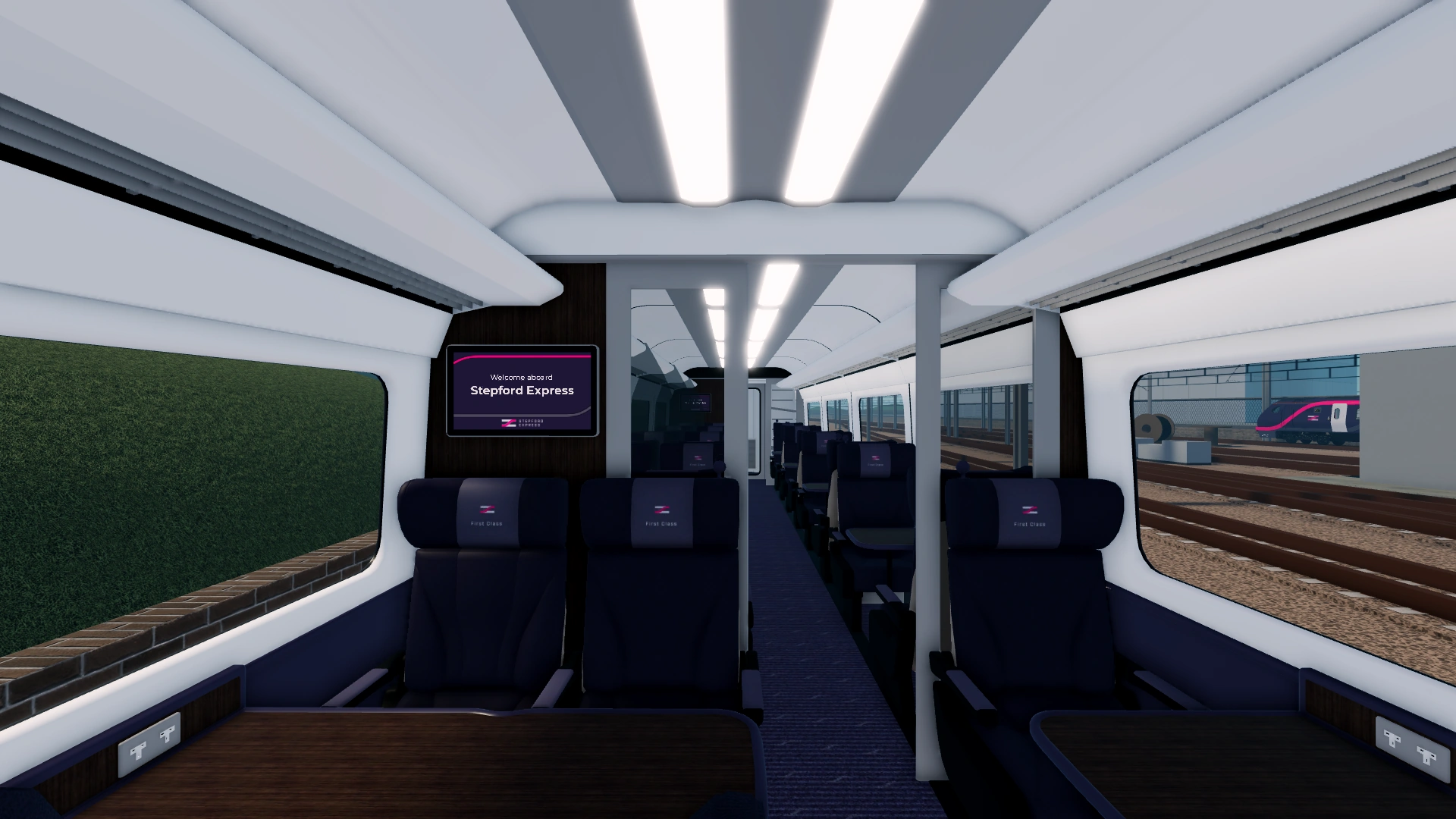
The mesh interior of the Class 43
The first mesh-bodied train was the Class 802 on AirLink, released as part of the V1.6.5 update, by former Product Developer OverheadWires. Stepford Express was the first operator to have a full NGv3 fleet, followed by AirLink. As of Version 2.0, all trains have been upgraded to a mesh model. The "Mesh Body" tags in the spawn menu were removed in the aforementioned update as well.
The Class 345 and the Class 365 are the only trains to be upgraded straight from Previous Generation to NGv3. However, they weren't actually in passenger use in their paper form as the Class 345 was used for test runs and the Class 365 paper model was only a proposed model and was never used in-game.
Certain trains have again been upgraded since their upgrade to NGv3. This upgrade is often referred to as a remesh. Some members of the community refer to remeshes as "NGv4," although that is technically wrong, as the way of creating the models is not different from the original mesh model and as the number in NGv3 does not represent the amount of times a train was upgraded, but rather refers to mesh models being the third way of creating Next Generation trains.
Cabs[]
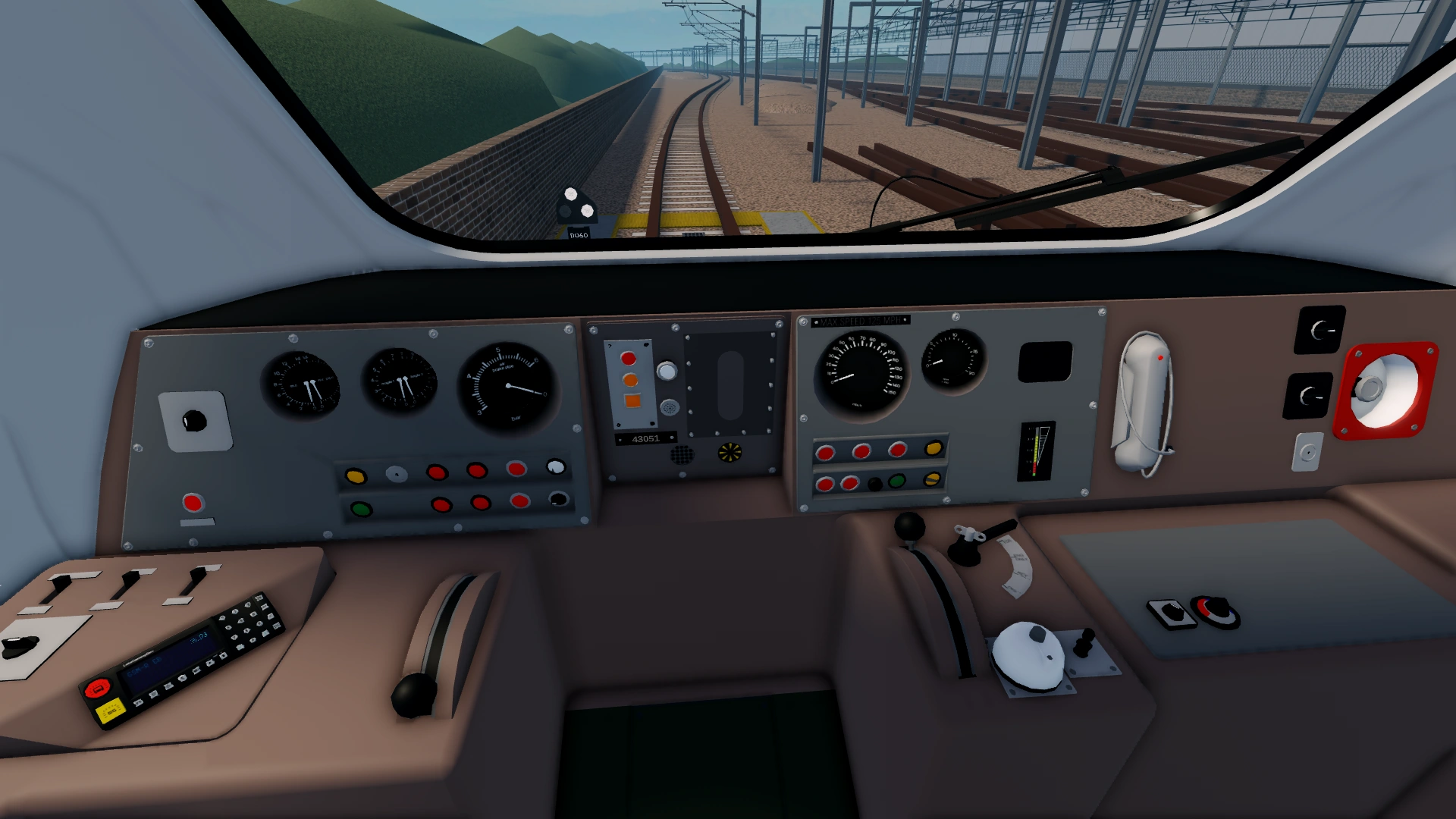
The high-detail cab of the Class 43
Next Generation trains come with cabs of varying detail.
Many of the first cabs (like the Class 360s) use decals for the controls and are often called "rushed". However, the cabs of the NGv1 models of the Class 158 and the Class 508, despite being the first NG trains, were relatively detailed, although slightly pixellated.
Especially in more recent times, the overall standards for cabs has gotten significantly better, with most new trains now having detailed 3D indicators and buttons as well as detailed side panels, among other things. With Version 2.0, certain trains were also fitted with cosmetic train management system (TMS) screens, further improving detail and realism of cabs.
Interlock lights[]
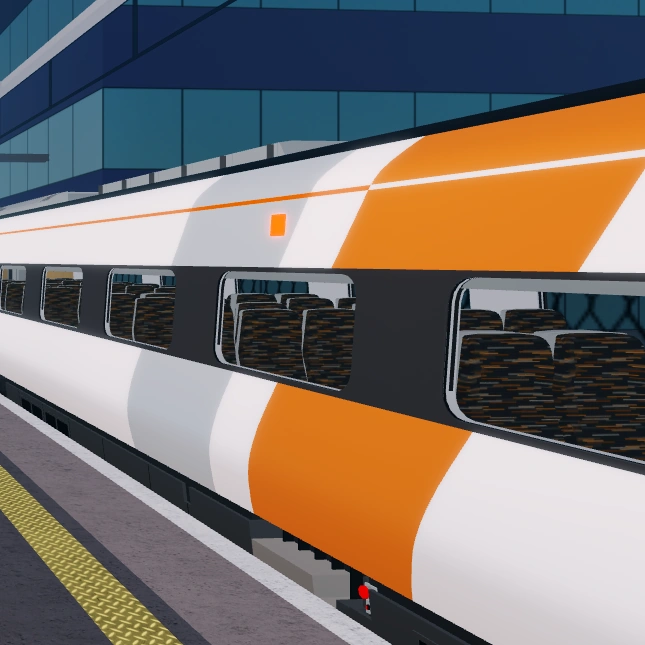
Interlock light on a Class 802
NG trains also come with working door interlock lights which illuminate when doors are open and flash when only the guard's local door is open. They are used primarily for Dispatchers and Guards to check that all the doors are closed.


